______________________________________________________________________________________
...
«math xmlns=¨http://www.w3.org/1998/Math/MathML¨»«msub»«mi mathvariant=¨bold¨»E«/mi»«mi mathvariant=¨bold¨»A«/mi»«/msub»«mo mathvariant=¨bold¨»=«/mo»«mfrac»«mrow»«mi mathvariant=¨bold¨»K«/mi»«mo mathvariant=¨bold¨»§#183;«/mo»«mi mathvariant=¨bold¨»Q«/mi»«/mrow»«msup»«mrow»«mo mathvariant=¨bold¨ stretchy=¨true¨»(«/mo»«mi mathvariant=¨bold¨»H«/mi»«mo mathvariant=¨bold¨»-«/mo»«mi mathvariant=¨bold¨»R«/mi»«mo mathvariant=¨bold¨ stretchy=¨true¨»)«/mo»«/mrow»«mn mathvariant=¨bold¨»2«/mn»«/msup»«/mfrac»«mo mathvariant=¨bold¨»§#160;«/mo»«mo mathvariant=¨bold¨»§#160;«/mo»«mo mathvariant=¨bold¨»§#160;«/mo»«mo mathvariant=¨bold¨»§#160;«/mo»«mo mathvariant=¨bold¨»§#160;«/mo»«mo mathvariant=¨bold¨»§#160;«/mo»«mo mathvariant=¨bold¨»§#160;«/mo»«mo mathvariant=¨bold¨»§#160;«/mo»«mo mathvariant=¨bold¨»§#160;«/mo»«mo mathvariant=¨bold¨»§#160;«/mo»«mo mathvariant=¨bold¨»§#160;«/mo»«mo mathvariant=¨bold¨»§#160;«/mo»«mo mathvariant=¨bold¨»§#160;«/mo»«mo mathvariant=¨bold¨»§#160;«/mo»«mo mathvariant=¨bold¨»§#160;«/mo»«mo mathvariant=¨bold¨»§#160;«/mo»«mo mathvariant=¨bold¨»§#160;«/mo»«mo mathvariant=¨bold¨»§#160;«/mo»«mi mathvariant=¨bold¨»Eo«/mi»«mo mathvariant=¨bold¨»=«/mo»«mn mathvariant=¨bold¨»0«/mn»«/math»
בתוך קליפה טעונה- שקול הכוחות הפועל על מטען בוחן הנמצא בכל נקודה בתוך קליפה טעונה שווה לאפס.
מחוץ לקליפה הטעונה - השדה הנוצר בכל נקודה מחוץ לקליפה שווה לשדה הנוצר ממטען נקודתי שמטענו זהה למטען הקליפה והוא ממוקם במרכז הקליפה.
מחוץ לקליפה הטעונה - השדה הנוצר בכל נקודה מחוץ לקליפה שווה לשדה הנוצר ממטען נקודתי שמטענו זהה למטען הקליפה והוא ממוקם במרכז הקליפה.
על מטען בוחן הנמצא מחוץ לקליפה
השדה בנקודה O - הנקודה O נמצאת בתוך הכדור הטעון , שקול הכוחות הפועלים על מטען בוחן הנמצא בכל נקודה בתוך קליפה הטעונה בפיזור אחיד שווה לאפס, מהגדרת השדה החשמלי «math xmlns=¨http://www.w3.org/1998/Math/MathML¨»«mover mathcolor=¨#0000FF¨»«mi mathvariant=¨bold¨»E«/mi»«mo mathvariant=¨bold¨»§#8594;«/mo»«/mover»«mo mathvariant=¨bold¨ mathcolor=¨#0000FF¨»=«/mo»«mfrac mathcolor=¨#0000FF¨»«mover»«mi mathvariant=¨bold¨»F«/mi»«mo mathvariant=¨bold¨»§#8594;«/mo»«/mover»«mi mathvariant=¨bold¨»q«/mi»«/mfrac»«/math» עוצמת השדה החשמלי בכל נקודה הנמצאת בתוך קליפה טעונה שווה לאפס.
לכן עוצמת השדה בנקודה O שווה לאפס.
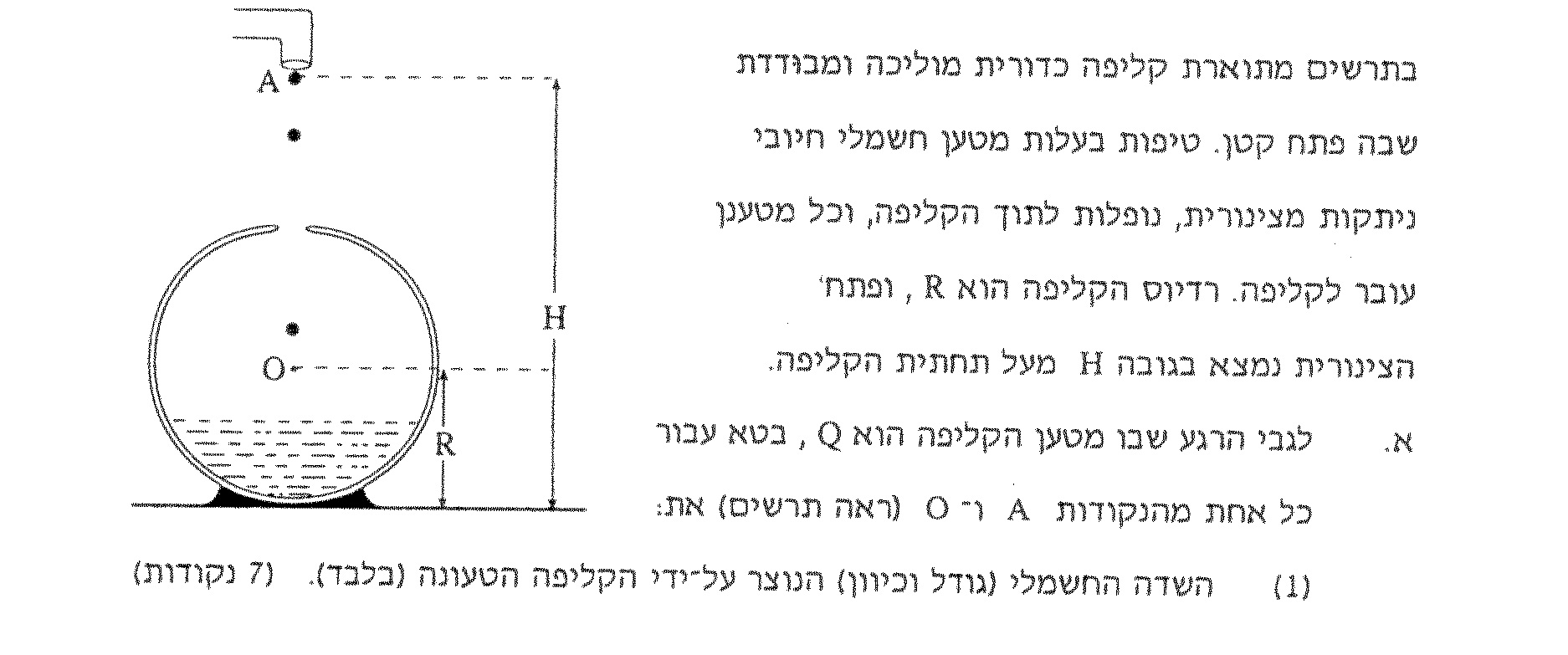
השדה בנקודה A - נתייחס למטען הקליפה כאל מטען נקודתי הנמצא במרכז הקליפה ונשתמש בביטוי לעוצמת השדה החשמלי הנוצר ממטען נקודתי:«math xmlns=¨http://www.w3.org/1998/Math/MathML¨»«mi mathvariant=¨bold¨ mathcolor=¨#0000FF¨»E«/mi»«mo mathvariant=¨bold¨ mathcolor=¨#0000FF¨»=«/mo»«mfrac mathcolor=¨#0000FF¨»«mrow»«mi mathvariant=¨bold¨»K«/mi»«mo mathvariant=¨bold¨»§#183;«/mo»«mi mathvariant=¨bold¨»Q«/mi»«/mrow»«msup»«mi mathvariant=¨bold¨»r«/mi»«mn mathvariant=¨bold¨»2«/mn»«/msup»«/mfrac»«/math».
המרחק בין נקודת מרכז הקליפה לנקודה A הוא : H-R. לכן, ביטוי השדה בנקודה A הוא: «math xmlns=¨http://www.w3.org/1998/Math/MathML¨»«msub»«mi mathvariant=¨bold¨ mathcolor=¨#0000FF¨»E«/mi»«mi mathvariant=¨bold¨ mathcolor=¨#0000FF¨»A«/mi»«/msub»«mo mathvariant=¨bold¨ mathcolor=¨#0000FF¨»=«/mo»«mfrac mathcolor=¨#0000FF¨»«mrow»«mi mathvariant=¨bold¨»K«/mi»«mo mathvariant=¨bold¨»§#183;«/mo»«mi mathvariant=¨bold¨»Q«/mi»«/mrow»«msup»«mrow»«mo mathvariant=¨bold¨ stretchy=¨true¨»(«/mo»«mi mathvariant=¨bold¨»H«/mi»«mo mathvariant=¨bold¨»-«/mo»«mi mathvariant=¨bold¨»R«/mi»«mo mathvariant=¨bold¨ stretchy=¨true¨»)«/mo»«/mrow»«mn mathvariant=¨bold¨»2«/mn»«/msup»«/mfrac»«/math».
נחשב את השדה החשמלי שיוצרת הקליפה בנקודה A. נניח שהקליפה טעונה בצורה אחידה, נתייחס למטען הקליפה כאל מטען נקודתי המרוכז במרכז הקליפה, ונשתמש בביטוי לעוצמת השדה החשמלי הנוצר ממטען נקודתי:«math xmlns=¨http://www.w3.org/1998/Math/MathML¨»«msub»«mi mathvariant=¨bold¨ mathcolor=¨#0000FF¨»E«/mi»«mi mathvariant=¨bold¨ mathcolor=¨#0000FF¨»A«/mi»«/msub»«mo mathvariant=¨bold¨ mathcolor=¨#0000FF¨»=«/mo»«mfrac mathcolor=¨#0000FF¨»«mrow»«mi mathvariant=¨bold¨»K«/mi»«mo mathvariant=¨bold¨»§#183;«/mo»«mi mathvariant=¨bold¨»Q«/mi»«/mrow»«msup»«mi mathvariant=¨bold¨»r«/mi»«mn mathvariant=¨bold¨»2«/mn»«/msup»«/mfrac»«/math».
המרחק בין נקודת מרכז הקליפה לנקודה A הוא : H-R. לכן, ביטוי השדה בנקודה A הוא: «math xmlns=¨http://www.w3.org/1998/Math/MathML¨»«msub»«mi mathvariant=¨bold¨ mathcolor=¨#0000FF¨»E«/mi»«mi mathvariant=¨bold¨ mathcolor=¨#0000FF¨»A«/mi»«/msub»«mo mathvariant=¨bold¨ mathcolor=¨#0000FF¨»=«/mo»«mfrac mathcolor=¨#0000FF¨»«mrow»«mi mathvariant=¨bold¨»K«/mi»«mo mathvariant=¨bold¨»§#183;«/mo»«mi mathvariant=¨bold¨»Q«/mi»«/mrow»«msup»«mrow»«mo mathvariant=¨bold¨ stretchy=¨true¨»(«/mo»«mi mathvariant=¨bold¨»H«/mi»«mo mathvariant=¨bold¨»-«/mo»«mi mathvariant=¨bold¨»R«/mi»«mo mathvariant=¨bold¨ stretchy=¨true¨»)«/mo»«/mrow»«mn mathvariant=¨bold¨»2«/mn»«/msup»«/mfrac»«/math».
1. הקליפה נטענת בצורה לא שגרתית, יש לענות על השאלה ללא כל קשר לתהליך שבו הקליפה נטענה.
2. מאגר המים בתוך הקליפה הוא לא טעון, המטענים במאגר המים נדחים זה מזה ומתרכזים על פני כל הקליפה בפיזור אחיד( גם בחלק הקליפה שמעל המים).
3.במהלך תנועת הטיפה, מהנקודה A למאגר המים, הטיפה טעונה. לאחר כניסת הטיפה למאגר המים כל מטענה מועבר לקליפה.
4. בשאלה מצויין שהפתח דרכו הטיפה נכנסת לקליפה הוא קטן, לכן יש להניח שהשפעת הפתח על פיזור המטען הוא זניח וניתן להתייחס לקליפה כאל קליפה הטעונה בפיזור מטען אחיד. הנחה זו חשובה מכיוון שרק אם פיזור המטען הוא אחיד ניתן להתייחס למטען הקליפה כאל מטען נקודתי הממוקם במרכז הקליפה ולהשתמש בביטוי שדה חשמלי הנוצר ממטען נקודתי.
2. בשאלה מצויין שהפתח דרכו הטיפה נכנסת לקליפה הוא קטן, לכן יש להניח שהשפעת הפתח על פיזור המטען הוא זניח וניתן להתייחס לקליפה כאל קליפה הטעונה בפיזור מטען אחיד. הנחה זו חשובה מכיוון שרק אם פיזור המטען הוא אחיד ניתן להתייחס למטען הקליפה כאל מטען נקודתי הממוקם במרכז הקליפה ולהשתמש בביטוי שדה חשמלי הנוצר ממטען נקודתי.
______________________________________________________________________________________

______________________________________________________________________________________
...
«math xmlns=¨http://www.w3.org/1998/Math/MathML¨»«msub»«mi mathvariant=¨bold¨»V«/mi»«mi mathvariant=¨bold¨»A«/mi»«/msub»«mo mathvariant=¨bold¨»=«/mo»«mfrac»«mrow»«mi mathvariant=¨bold¨»K«/mi»«mo mathvariant=¨bold¨»§#183;«/mo»«mi mathvariant=¨bold¨»Q«/mi»«/mrow»«mrow»«mi mathvariant=¨bold¨»H«/mi»«mo mathvariant=¨bold¨»-«/mo»«mi mathvariant=¨bold¨»R«/mi»«/mrow»«/mfrac»«mo mathvariant=¨bold¨»§#160;«/mo»«mo mathvariant=¨bold¨»§#160;«/mo»«mo mathvariant=¨bold¨»§#160;«/mo»«mo mathvariant=¨bold¨»§#160;«/mo»«mo mathvariant=¨bold¨»§#160;«/mo»«mo mathvariant=¨bold¨»§#160;«/mo»«mo mathvariant=¨bold¨»§#160;«/mo»«mo mathvariant=¨bold¨»§#160;«/mo»«mo mathvariant=¨bold¨»§#160;«/mo»«mo mathvariant=¨bold¨»§#160;«/mo»«mo mathvariant=¨bold¨»§#160;«/mo»«mo mathvariant=¨bold¨»§#160;«/mo»«mo mathvariant=¨bold¨»§#160;«/mo»«mo mathvariant=¨bold¨»§#160;«/mo»«mo mathvariant=¨bold¨»§#160;«/mo»«mo mathvariant=¨bold¨»§#160;«/mo»«msub»«mi mathvariant=¨bold¨»V«/mi»«mi mathvariant=¨bold¨»O«/mi»«/msub»«mo mathvariant=¨bold¨»=«/mo»«mfrac»«mrow»«mi mathvariant=¨bold¨»K«/mi»«mo mathvariant=¨bold¨»§#183;«/mo»«mi mathvariant=¨bold¨»Q«/mi»«/mrow»«mi mathvariant=¨bold¨»R«/mi»«/mfrac»«/math»
בתוך קליפה טעונה- הפוטנציאל הוא קבוע ושווה לפוטנציאל על פני הקליפה.
מחוץ לקליפה הטעונה - הפוטנציאל הנוצר בכל נקודה מחוץ לקליפה שווה לפוטנציאל הנוצר ממטען נקודתי שמטענו זהה למטען הקליפה והוא ממוקם במרכז הקליפה.
הפוטנציאל בנקודה O - הפוטנציאל בכל נקודה בתוך קליפה הטעונה בפיזור מטען אחיד, שווה לפוטנציאל על פני קליפה.
נבטא בהתאם את הפוטנציאל בנקודה O: «math xmlns=¨http://www.w3.org/1998/Math/MathML¨»«msub»«mi mathvariant=¨bold¨ mathcolor=¨#0000FF¨»V«/mi»«mi mathvariant=¨bold¨ mathcolor=¨#0000FF¨»O«/mi»«/msub»«mo mathvariant=¨bold¨ mathcolor=¨#0000FF¨»=«/mo»«mfrac mathcolor=¨#0000FF¨»«mrow»«mi mathvariant=¨bold¨»K«/mi»«mo mathvariant=¨bold¨»§#183;«/mo»«mi mathvariant=¨bold¨»Q«/mi»«/mrow»«mi mathvariant=¨bold¨»R«/mi»«/mfrac»«/math».
הפוטנציאל בנקודה A - הפוטנציאל בכל נקודה מחוץ לקליפה הטעונה שווה לפוטנציאל הנוצר בנקודה ממטען נקודתי המרוכז במטען הקליפה.
המרחק בין נקודת מרכז הקליפה לנקודה A הוא : H-R. לכן, ביטוי הפוטנציאל בנקודה A הוא: «math xmlns=¨http://www.w3.org/1998/Math/MathML¨»«msub»«mi mathvariant=¨bold¨ mathcolor=¨#0000FF¨»V«/mi»«mi mathvariant=¨bold¨ mathcolor=¨#0000FF¨»A«/mi»«/msub»«mo mathvariant=¨bold¨ mathcolor=¨#0000FF¨»=«/mo»«mfrac mathcolor=¨#0000FF¨»«mrow»«mi mathvariant=¨bold¨»K«/mi»«mo mathvariant=¨bold¨»§#183;«/mo»«mi mathvariant=¨bold¨»Q«/mi»«/mrow»«mrow»«mi mathvariant=¨bold¨»H«/mi»«mo mathvariant=¨bold¨»-«/mo»«mi mathvariant=¨bold¨»R«/mi»«/mrow»«/mfrac»«/math».
נבטא בהתאם את הפוטנציאל בנקודה O: «math xmlns=¨http://www.w3.org/1998/Math/MathML¨»«msub»«mi mathvariant=¨bold¨ mathcolor=¨#0000FF¨»V«/mi»«mi mathvariant=¨bold¨ mathcolor=¨#0000FF¨»O«/mi»«/msub»«mo mathvariant=¨bold¨ mathcolor=¨#0000FF¨»=«/mo»«mfrac mathcolor=¨#0000FF¨»«mrow»«mi mathvariant=¨bold¨»K«/mi»«mo mathvariant=¨bold¨»§#183;«/mo»«mi mathvariant=¨bold¨»Q«/mi»«/mrow»«mi mathvariant=¨bold¨»R«/mi»«/mfrac»«/math».
הפוטנציאל בנקודה A - הפוטנציאל בכל נקודה מחוץ לקליפה הטעונה שווה לפוטנציאל הנוצר בנקודה ממטען נקודתי המרוכז במטען הקליפה.
המרחק בין נקודת מרכז הקליפה לנקודה A הוא : H-R. לכן, ביטוי הפוטנציאל בנקודה A הוא: «math xmlns=¨http://www.w3.org/1998/Math/MathML¨»«msub»«mi mathvariant=¨bold¨ mathcolor=¨#0000FF¨»V«/mi»«mi mathvariant=¨bold¨ mathcolor=¨#0000FF¨»A«/mi»«/msub»«mo mathvariant=¨bold¨ mathcolor=¨#0000FF¨»=«/mo»«mfrac mathcolor=¨#0000FF¨»«mrow»«mi mathvariant=¨bold¨»K«/mi»«mo mathvariant=¨bold¨»§#183;«/mo»«mi mathvariant=¨bold¨»Q«/mi»«/mrow»«mrow»«mi mathvariant=¨bold¨»H«/mi»«mo mathvariant=¨bold¨»-«/mo»«mi mathvariant=¨bold¨»R«/mi»«/mrow»«/mfrac»«/math».
1. ניתן להשתמש בביטוי הפוטנציאל: «math xmlns=¨http://www.w3.org/1998/Math/MathML¨»«mi mathvariant=¨bold¨ mathcolor=¨#FF0000¨»V«/mi»«mo mathvariant=¨bold¨ mathcolor=¨#FF0000¨»=«/mo»«mfrac mathcolor=¨#FF0000¨»«mrow»«mi mathvariant=¨bold¨»K«/mi»«mo mathvariant=¨bold¨»§#183;«/mo»«mi mathvariant=¨bold¨»Q«/mi»«/mrow»«mi mathvariant=¨bold¨»r«/mi»«/mfrac»«/math» רק כאשר הפוטנציאל באינסוף מוגדר כאפס.
2. מכיוון שבתוך הקליפה הטעונה עוצמת השדה היא אפס, העבודה הנדרשת כדי להניע מטען במהירות קבועה מהאינסוף לנקודה על פני הכדור
שווה לעבודה המבוצעת כדי להניע מטען מהאינסוף לכל נקודה בתוך הקליפה הטעונה.
לכן, מהגדרת הפוטנציאל «math xmlns=¨http://www.w3.org/1998/Math/MathML¨»«msub»«mi mathvariant=¨bold¨ mathcolor=¨#FF0000¨»V«/mi»«mi mathvariant=¨bold¨ mathcolor=¨#FF0000¨»A«/mi»«/msub»«mo mathvariant=¨bold¨ mathcolor=¨#FF0000¨»=«/mo»«mfrac mathcolor=¨#FF0000¨»«msub»«mi mathvariant=¨bold¨»W«/mi»«mrow»«mo mathvariant=¨bold¨»§#8734;«/mo»«mo mathvariant=¨bold¨»§#8594;«/mo»«mi mathvariant=¨bold¨»A«/mi»«/mrow»«/msub»«mi mathvariant=¨bold¨»q«/mi»«/mfrac»«/math» הפוטנציאל בכל נקודה בכדור הוא זהה ושווה לפוטנציאל על פני הקליפה.
2. מכיוון שבתוך הקליפה הטעונה עוצמת השדה היא אפס, העבודה הנדרשת כדי להניע מטען במהירות קבועה מהאינסוף לנקודה
שווה לעבודה המבוצעת כדי להניע מטען מהאינסוף לכל נקודה בתוך הקליפה הטעונה.
לכן, מהגדרת הפוטנציאל «math xmlns=¨http://www.w3.org/1998/Math/MathML¨»«msub»«mi mathvariant=¨bold¨ mathcolor=¨#FF0000¨»V«/mi»«mi mathvariant=¨bold¨ mathcolor=¨#FF0000¨»A«/mi»«/msub»«mo mathvariant=¨bold¨ mathcolor=¨#FF0000¨»=«/mo»«mfrac mathcolor=¨#FF0000¨»«msub»«mi mathvariant=¨bold¨»W«/mi»«mrow»«mo mathvariant=¨bold¨»§#8734;«/mo»«mo mathvariant=¨bold¨»§#8594;«/mo»«mi mathvariant=¨bold¨»A«/mi»«/mrow»«/msub»«mi mathvariant=¨bold¨»q«/mi»«/mfrac»«/math» הפוטנציאל בכל נקודה בכדור הוא זהה ושווה לפוטנציאל על פני הקליפה.
______________________________________________________________________________________
______________________________________________________________________________________
...
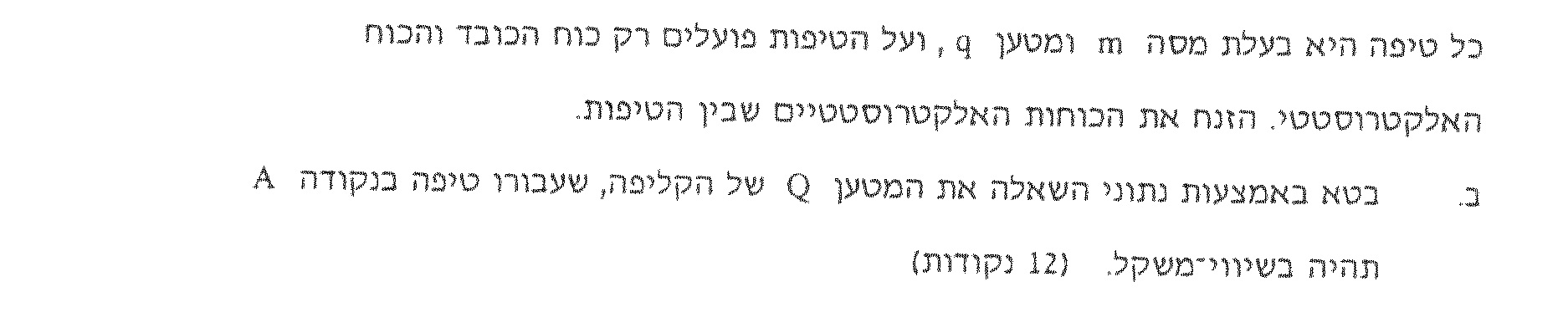
«math xmlns=¨http://www.w3.org/1998/Math/MathML¨»«mi mathvariant=¨bold¨ mathsize=¨20px¨»Q«/mi»«mo mathvariant=¨bold¨ mathsize=¨20px¨»=«/mo»«mfrac»«mrow»«mi mathvariant=¨bold¨ mathsize=¨20px¨»m«/mi»«mo mathvariant=¨bold¨ mathsize=¨20px¨»§#183;«/mo»«mi mathvariant=¨bold¨ mathsize=¨20px¨»g«/mi»«mo mathvariant=¨bold¨ mathsize=¨20px¨»§#183;«/mo»«msup»«mrow»«mo mathvariant=¨bold¨ mathsize=¨20px¨ stretchy=¨true¨»(«/mo»«mi mathvariant=¨bold¨ mathsize=¨20px¨»H«/mi»«mo mathvariant=¨bold¨ mathsize=¨20px¨»-«/mo»«mi mathvariant=¨bold¨ mathsize=¨20px¨»R«/mi»«mo mathvariant=¨bold¨ mathsize=¨20px¨ stretchy=¨true¨»)«/mo»«/mrow»«mn mathvariant=¨bold¨ mathsize=¨20px¨»2«/mn»«/msup»«/mrow»«mrow»«mi mathvariant=¨bold¨ mathsize=¨20px¨»K«/mi»«mo mathvariant=¨bold¨ mathsize=¨20px¨»§#183;«/mo»«mi mathvariant=¨bold¨ mathsize=¨20px¨»q«/mi»«/mrow»«/mfrac»«/math»
עריכת תרשים כוחות, כתיבת משוואת התנועה וביטוי מטען הקליפה Q ממשוואת התנועה.
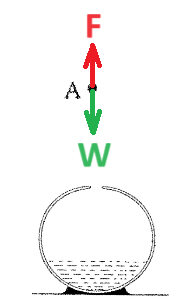
על הטיפה פועלים שני כוחות, כוח הכובד כלפי מטה והכוח החשמלי כלפי מעלה.
נערוך תרשים כוחות לכוחות הפועלים על הטיפה כאשר היא נמצאת בנקודה A בשיווי משקל:
הטיפה נמצאת בשיווי משקל, שקול הכוחות הפועלים עליה שווה לאפס, נכתוב את משוואת התנועה ,ביחס לציר Y אנכי שכיוונו כלפי מטה:
«math xmlns=¨http://www.w3.org/1998/Math/MathML¨»«mstyle mathsize=¨20px¨»«msub»«mi mathvariant=¨bold¨ mathcolor=¨#0000FF¨»§#931;F«/mi»«mi mathvariant=¨bold¨ mathcolor=¨#0000FF¨»Y«/mi»«/msub»«mo mathvariant=¨bold¨ mathcolor=¨#0000FF¨»=«/mo»«mn mathvariant=¨bold¨ mathcolor=¨#0000FF¨»0«/mn»«mspace linebreak=¨newline¨/»«mspace linebreak=¨newline¨/»«mi mathvariant=¨bold¨ mathcolor=¨#0000FF¨»F«/mi»«mo mathvariant=¨bold¨ mathcolor=¨#0000FF¨»=«/mo»«mi mathvariant=¨bold¨ mathcolor=¨#0000FF¨»W«/mi»«mspace linebreak=¨newline¨/»«/mstyle»«/math»
נכתוב את המשוואה בצורה מפורטת, נבטא את הכוח החשמלי בעזרת הגדרת השדה החשמלי: «math xmlns=¨http://www.w3.org/1998/Math/MathML¨»«mstyle mathsize=¨20px¨»«mover mathcolor=¨#0000FF¨»«mi mathvariant=¨bold¨»E«/mi»«mo mathvariant=¨bold¨»§#8594;«/mo»«/mover»«mo mathvariant=¨bold¨ mathcolor=¨#0000FF¨»=«/mo»«mfrac mathcolor=¨#0000FF¨»«mover»«mi mathvariant=¨bold¨»F«/mi»«mo mathvariant=¨bold¨»§#8594;«/mo»«/mover»«mi mathvariant=¨bold¨»q«/mi»«/mfrac»«/mstyle»«/math».
«math xmlns=¨http://www.w3.org/1998/Math/MathML¨»«mstyle mathsize=¨20px¨»«mi mathvariant=¨bold¨ mathcolor=¨#0000FF¨»F«/mi»«mo mathvariant=¨bold¨ mathcolor=¨#0000FF¨»=«/mo»«mi mathvariant=¨bold¨ mathcolor=¨#0000FF¨»W«/mi»«mspace linebreak=¨newline¨/»«mspace linebreak=¨newline¨/»«msub»«mi mathvariant=¨bold¨ mathcolor=¨#0000FF¨»E«/mi»«mi mathvariant=¨bold¨ mathcolor=¨#0000FF¨»A«/mi»«/msub»«mo mathvariant=¨bold¨ mathcolor=¨#0000FF¨»§#183;«/mo»«mi mathvariant=¨bold¨ mathcolor=¨#0000FF¨»q«/mi»«mo mathvariant=¨bold¨ mathcolor=¨#0000FF¨»=«/mo»«mi mathvariant=¨bold¨ mathcolor=¨#0000FF¨»m«/mi»«mo mathvariant=¨bold¨ mathcolor=¨#0000FF¨»§#183;«/mo»«mi mathvariant=¨bold¨ mathcolor=¨#0000FF¨»g«/mi»«mspace linebreak=¨newline¨/»«/mstyle»«/math»
נשתמש בביטוי השדה החשמלי בנקודה A מסעיף א', ונבטא את מטען הקליפה Q:
«math xmlns=¨http://www.w3.org/1998/Math/MathML¨»«mstyle mathsize=¨20px¨»«msub»«mi mathvariant=¨bold¨»E«/mi»«mi mathvariant=¨bold¨»A«/mi»«/msub»«mo mathvariant=¨bold¨ mathcolor=¨#0000FF¨»§#183;«/mo»«mi mathvariant=¨bold¨ mathcolor=¨#0000FF¨»q«/mi»«mo mathvariant=¨bold¨ mathcolor=¨#0000FF¨»=«/mo»«mi mathvariant=¨bold¨ mathcolor=¨#0000FF¨»m«/mi»«mo mathvariant=¨bold¨ mathcolor=¨#0000FF¨»§#183;«/mo»«mi mathvariant=¨bold¨ mathcolor=¨#0000FF¨»g«/mi»«mspace linebreak=¨newline¨/»«mspace linebreak=¨newline¨/»«mfrac»«mrow»«mi mathvariant=¨bold¨»K«/mi»«mo mathvariant=¨bold¨»§#183;«/mo»«mi mathvariant=¨bold¨»Q«/mi»«/mrow»«msup»«mrow»«mo mathvariant=¨bold¨ stretchy=¨true¨»(«/mo»«mi mathvariant=¨bold¨»H«/mi»«mo mathvariant=¨bold¨»-«/mo»«mi mathvariant=¨bold¨»R«/mi»«mo mathvariant=¨bold¨ stretchy=¨true¨»)«/mo»«/mrow»«mn mathvariant=¨bold¨»2«/mn»«/msup»«/mfrac»«mo mathvariant=¨bold¨ mathcolor=¨#0000FF¨»§#183;«/mo»«mi mathvariant=¨bold¨ mathcolor=¨#0000FF¨»q«/mi»«mo mathvariant=¨bold¨ mathcolor=¨#0000FF¨»=«/mo»«mi mathvariant=¨bold¨ mathcolor=¨#0000FF¨»m«/mi»«mo mathvariant=¨bold¨ mathcolor=¨#0000FF¨»§#183;«/mo»«mi mathvariant=¨bold¨ mathcolor=¨#0000FF¨»g«/mi»«mspace linebreak=¨newline¨/»«mspace linebreak=¨newline¨/»«menclose mathcolor=¨#0000FF¨ notation=¨circle¨»«mi mathvariant=¨bold¨»Q«/mi»«mo mathvariant=¨bold¨»=«/mo»«mfrac»«mrow»«mi mathvariant=¨bold¨»m«/mi»«mo mathvariant=¨bold¨»§#183;«/mo»«mi mathvariant=¨bold¨»g«/mi»«mo mathvariant=¨bold¨»§#183;«/mo»«msup»«mrow»«mo stretchy=¨true¨ mathvariant=¨bold¨»(«/mo»«mi mathvariant=¨bold¨»H«/mi»«mo mathvariant=¨bold¨»-«/mo»«mi mathvariant=¨bold¨»R«/mi»«mo stretchy=¨true¨ mathvariant=¨bold¨»)«/mo»«/mrow»«mn mathvariant=¨bold¨»2«/mn»«/msup»«/mrow»«mrow»«mi mathvariant=¨bold¨»K«/mi»«mo mathvariant=¨bold¨»§#183;«/mo»«mi mathvariant=¨bold¨»q«/mi»«/mrow»«/mfrac»«/menclose»«mspace linebreak=¨newline¨/»«mspace linebreak=¨newline¨/»«/mstyle»«/math»
נערוך תרשים כוחות לכוחות הפועלים על הטיפה כאשר היא נמצאת בנקודה A בשיווי משקל:
הטיפה נמצאת בשיווי משקל, שקול הכוחות הפועלים עליה שווה לאפס, נכתוב את משוואת התנועה ,ביחס לציר Y אנכי שכיוונו כלפי מטה:
«math xmlns=¨http://www.w3.org/1998/Math/MathML¨»«mstyle mathsize=¨20px¨»«msub»«mi mathvariant=¨bold¨ mathcolor=¨#0000FF¨»§#931;F«/mi»«mi mathvariant=¨bold¨ mathcolor=¨#0000FF¨»Y«/mi»«/msub»«mo mathvariant=¨bold¨ mathcolor=¨#0000FF¨»=«/mo»«mn mathvariant=¨bold¨ mathcolor=¨#0000FF¨»0«/mn»«mspace linebreak=¨newline¨/»«mspace linebreak=¨newline¨/»«mi mathvariant=¨bold¨ mathcolor=¨#0000FF¨»F«/mi»«mo mathvariant=¨bold¨ mathcolor=¨#0000FF¨»=«/mo»«mi mathvariant=¨bold¨ mathcolor=¨#0000FF¨»W«/mi»«mspace linebreak=¨newline¨/»«/mstyle»«/math»
נכתוב את המשוואה בצורה מפורטת, נבטא את הכוח החשמלי בעזרת הגדרת הגדרת השדה החשמלי: «math xmlns=¨http://www.w3.org/1998/Math/MathML¨»«mstyle mathsize=¨20px¨»«mover mathcolor=¨#0000FF¨»«mi mathvariant=¨bold¨»E«/mi»«mo mathvariant=¨bold¨»§#8594;«/mo»«/mover»«mo mathvariant=¨bold¨ mathcolor=¨#0000FF¨»=«/mo»«mfrac mathcolor=¨#0000FF¨»«mover»«mi mathvariant=¨bold¨»F«/mi»«mo mathvariant=¨bold¨»§#8594;«/mo»«/mover»«mi mathvariant=¨bold¨»q«/mi»«/mfrac»«/mstyle»«/math».
«math xmlns=¨http://www.w3.org/1998/Math/MathML¨»«mstyle mathsize=¨20px¨»«mi mathvariant=¨bold¨ mathcolor=¨#0000FF¨»F«/mi»«mo mathvariant=¨bold¨ mathcolor=¨#0000FF¨»=«/mo»«mi mathvariant=¨bold¨ mathcolor=¨#0000FF¨»W«/mi»«mspace linebreak=¨newline¨/»«mspace linebreak=¨newline¨/»«msub»«mi mathvariant=¨bold¨ mathcolor=¨#0000FF¨»E«/mi»«mi mathvariant=¨bold¨ mathcolor=¨#0000FF¨»A«/mi»«/msub»«mo mathvariant=¨bold¨ mathcolor=¨#0000FF¨»§#183;«/mo»«mi mathvariant=¨bold¨ mathcolor=¨#0000FF¨»q«/mi»«mo mathvariant=¨bold¨ mathcolor=¨#0000FF¨»=«/mo»«mi mathvariant=¨bold¨ mathcolor=¨#0000FF¨»m«/mi»«mo mathvariant=¨bold¨ mathcolor=¨#0000FF¨»§#183;«/mo»«mi mathvariant=¨bold¨ mathcolor=¨#0000FF¨»g«/mi»«mspace linebreak=¨newline¨/»«/mstyle»«/math»
נשתמש בביטוי השדה החשמלי בנקודה A מסעיף א', ונבטא את מטען הקליפה Q:
«math xmlns=¨http://www.w3.org/1998/Math/MathML¨»«mstyle mathsize=¨20px¨»«msub»«mi mathvariant=¨bold¨»E«/mi»«mi mathvariant=¨bold¨»A«/mi»«/msub»«mo mathvariant=¨bold¨ mathcolor=¨#0000FF¨»§#183;«/mo»«mi mathvariant=¨bold¨ mathcolor=¨#0000FF¨»q«/mi»«mo mathvariant=¨bold¨ mathcolor=¨#0000FF¨»=«/mo»«mi mathvariant=¨bold¨ mathcolor=¨#0000FF¨»m«/mi»«mo mathvariant=¨bold¨ mathcolor=¨#0000FF¨»§#183;«/mo»«mi mathvariant=¨bold¨ mathcolor=¨#0000FF¨»g«/mi»«mspace linebreak=¨newline¨/»«mspace linebreak=¨newline¨/»«mfrac»«mrow»«mi mathvariant=¨bold¨»K«/mi»«mo mathvariant=¨bold¨»§#183;«/mo»«mi mathvariant=¨bold¨»Q«/mi»«/mrow»«msup»«mrow»«mo mathvariant=¨bold¨ stretchy=¨true¨»(«/mo»«mi mathvariant=¨bold¨»H«/mi»«mo mathvariant=¨bold¨»-«/mo»«mi mathvariant=¨bold¨»R«/mi»«mo mathvariant=¨bold¨ stretchy=¨true¨»)«/mo»«/mrow»«mn mathvariant=¨bold¨»2«/mn»«/msup»«/mfrac»«mo mathvariant=¨bold¨ mathcolor=¨#0000FF¨»§#183;«/mo»«mi mathvariant=¨bold¨ mathcolor=¨#0000FF¨»q«/mi»«mo mathvariant=¨bold¨ mathcolor=¨#0000FF¨»=«/mo»«mi mathvariant=¨bold¨ mathcolor=¨#0000FF¨»m«/mi»«mo mathvariant=¨bold¨ mathcolor=¨#0000FF¨»§#183;«/mo»«mi mathvariant=¨bold¨ mathcolor=¨#0000FF¨»g«/mi»«mspace linebreak=¨newline¨/»«mspace linebreak=¨newline¨/»«menclose mathcolor=¨#0000FF¨ notation=¨circle¨»«mi mathvariant=¨bold¨»Q«/mi»«mo mathvariant=¨bold¨»=«/mo»«mfrac»«mrow»«mi mathvariant=¨bold¨»m«/mi»«mo mathvariant=¨bold¨»§#183;«/mo»«mi mathvariant=¨bold¨»g«/mi»«mo mathvariant=¨bold¨»§#183;«/mo»«msup»«mrow»«mo stretchy=¨true¨ mathvariant=¨bold¨»(«/mo»«mi mathvariant=¨bold¨»H«/mi»«mo mathvariant=¨bold¨»-«/mo»«mi mathvariant=¨bold¨»R«/mi»«mo stretchy=¨true¨ mathvariant=¨bold¨»)«/mo»«/mrow»«mn mathvariant=¨bold¨»2«/mn»«/msup»«/mrow»«mrow»«mi mathvariant=¨bold¨»K«/mi»«mo mathvariant=¨bold¨»§#183;«/mo»«mi mathvariant=¨bold¨»q«/mi»«/mrow»«/mfrac»«/menclose»«mspace linebreak=¨newline¨/»«mspace linebreak=¨newline¨/»«/mstyle»«/math»
1. מצב של שיווי משקל הוא מצב שבו שקול הכוחות הפועלים על הגוף שווה לאפס ופועל על הגוף גם כוח הכובד.
2. כאשר שקול הכוחות הפועלים על הטיפה שווה לאפס, הטיפה יכולה לרחף באוויר או לנוע רגעית במהירות קבועה (תלוי במהירות הטיפה).
2. כאשר שקול הכוחות הפועלים על הטיפה שווה לאפס, הטיפה יכולה לרחף באוויר או לנוע רגעית במהירות קבועה (תלוי במהירות הטיפה).
______________________________________________________________________________________

* נוסח השאלה בסעיף זה הוא שונה מהנוסח המקורי.
______________________________________________________________________________________
...
«math xmlns=¨http://www.w3.org/1998/Math/MathML¨»«mstyle mathsize=¨20px¨»«mi mathvariant=¨bold¨»W«/mi»«mo mathvariant=¨bold¨»=«/mo»«mfrac»«mrow»«mi mathvariant=¨bold¨»Q«/mi»«mo mathvariant=¨bold¨»§#183;«/mo»«mi mathvariant=¨bold¨»m«/mi»«mo mathvariant=¨bold¨»§#183;«/mo»«mi mathvariant=¨bold¨»g«/mi»«mo mathvariant=¨bold¨»§#183;«/mo»«mrow»«mo mathvariant=¨bold¨ stretchy=¨true¨»(«/mo»«mi mathvariant=¨bold¨»H«/mi»«mo mathvariant=¨bold¨»-«/mo»«mn mathvariant=¨bold¨»2«/mn»«mo mathvariant=¨bold¨»§#183;«/mo»«mi mathvariant=¨bold¨»R«/mi»«mo mathvariant=¨bold¨ stretchy=¨true¨»)«/mo»«/mrow»«/mrow»«mi mathvariant=¨bold¨»q«/mi»«/mfrac»«/mstyle»«/math»
חישוב עבודת כוח הכבידה הפועל על טיפה בודדת , בהתאם למספר הטיפות לחשב את העבודה המבוצעת על כל הטיפות.
בתנועת הטיפה מהנקודה A לנקודה O פועל כוח כבידה קבוע לאורך העתק שגודלו H-R.
נחשב את עבודת כוח הכובד הפועל על טיפה בודדת. מסת הטיפה היא m.
נסמן את עבודת כוח הכובד הפועל על טיפה בודדת ב ' W , נבטא את העבודה בעזרת הגדרת העבודה:
«math xmlns=¨http://www.w3.org/1998/Math/MathML¨»«mi mathvariant=¨bold¨ mathcolor=¨#0000FF¨»W«/mi»«mo mathvariant=¨bold¨ mathcolor=¨#0000FF¨»=«/mo»«mstyle mathvariant=¨bold¨ mathcolor=¨#0000FF¨»«mo stretchy=¨true¨»|«/mo»«mi»F«/mi»«mo stretchy=¨true¨»|«/mo»«/mstyle»«mo mathvariant=¨bold¨ mathcolor=¨#0000FF¨»§#183;«/mo»«mstyle mathvariant=¨bold¨ mathcolor=¨#0000FF¨»«mo stretchy=¨true¨»|«/mo»«mrow»«mo»§#8710;«/mo»«mi»X«/mi»«/mrow»«mo stretchy=¨true¨»|«/mo»«/mstyle»«mo mathvariant=¨bold¨ mathcolor=¨#0000FF¨»§#183;«/mo»«mi mathvariant=¨bold¨ mathcolor=¨#0000FF¨»cos«/mi»«mo mathvariant=¨bold¨ mathcolor=¨#0000FF¨»(«/mo»«mi mathvariant=¨bold¨ mathcolor=¨#0000FF¨»§#945;«/mi»«mo mathvariant=¨bold¨ mathcolor=¨#0000FF¨»)«/mo»«mspace linebreak=¨newline¨/»«mspace linebreak=¨newline¨/»«mi mathvariant=¨bold¨ mathcolor=¨#0000FF¨»W«/mi»«mo mathvariant=¨bold¨ mathcolor=¨#0000FF¨»`«/mo»«mo mathvariant=¨bold¨ mathcolor=¨#0000FF¨»=«/mo»«mi mathvariant=¨bold¨ mathcolor=¨#0000FF¨»m«/mi»«mo mathvariant=¨bold¨ mathcolor=¨#0000FF¨»§#183;«/mo»«mi mathvariant=¨bold¨ mathcolor=¨#0000FF¨»g«/mi»«mo mathvariant=¨bold¨ mathcolor=¨#0000FF¨»§#183;«/mo»«mstyle mathvariant=¨bold¨ mathcolor=¨#0000FF¨»«mo stretchy=¨true¨»(«/mo»«mrow»«mi»H«/mi»«mo»-«/mo»«mn»2«/mn»«mo»§#183;«/mo»«mi»R«/mi»«/mrow»«mo stretchy=¨true¨»)«/mo»«/mstyle»«mo mathvariant=¨bold¨ mathcolor=¨#0000FF¨»§#183;«/mo»«mi mathvariant=¨bold¨ mathcolor=¨#0000FF¨»cos«/mi»«mo mathvariant=¨bold¨ mathcolor=¨#0000FF¨»(«/mo»«mn mathvariant=¨bold¨ mathcolor=¨#0000FF¨»0«/mn»«mo mathvariant=¨bold¨ mathcolor=¨#0000FF¨»)«/mo»«mspace linebreak=¨newline¨/»«mi mathvariant=¨bold¨ mathcolor=¨#0000FF¨»W«/mi»«mo mathvariant=¨bold¨ mathcolor=¨#0000FF¨»`«/mo»«mo mathvariant=¨bold¨ mathcolor=¨#0000FF¨»=«/mo»«mi mathvariant=¨bold¨ mathcolor=¨#0000FF¨»m«/mi»«mo mathvariant=¨bold¨ mathcolor=¨#0000FF¨»§#183;«/mo»«mi mathvariant=¨bold¨ mathcolor=¨#0000FF¨»g«/mi»«mo mathvariant=¨bold¨ mathcolor=¨#0000FF¨»§#183;«/mo»«mrow mathcolor=¨#0000FF¨»«mo stretchy=¨true¨ mathvariant=¨bold¨»(«/mo»«mi mathvariant=¨bold¨»H«/mi»«mo mathvariant=¨bold¨»-«/mo»«mn mathvariant=¨bold¨»2«/mn»«mo mathvariant=¨bold¨»§#183;«/mo»«mi mathvariant=¨bold¨»R«/mi»«mo stretchy=¨true¨ mathvariant=¨bold¨»)«/mo»«/mrow»«/math»
מטען טיפה בודדת הוא q ומטען כל הטיפות הוא Q , לכן מספר הטיפות עליהן נעשית עבודת כוח הכובד הוא: «math xmlns=¨http://www.w3.org/1998/Math/MathML¨»«mstyle mathsize=¨20px¨»«mfrac mathcolor=¨#0000FF¨»«mi mathvariant=¨bold¨»Q«/mi»«mi mathvariant=¨bold¨»q«/mi»«/mfrac»«/mstyle»«/math»
לכן ביטוי עבודת כוח הכובד הנעשית על כל הטיפות הוא:
«math xmlns=¨http://www.w3.org/1998/Math/MathML¨»«mi mathvariant=¨bold¨ mathcolor=¨#0000FF¨»W«/mi»«mo mathvariant=¨bold¨ mathcolor=¨#0000FF¨»=«/mo»«mfrac mathcolor=¨#0000FF¨»«mi mathvariant=¨bold¨»Q«/mi»«mi mathvariant=¨bold¨»q«/mi»«/mfrac»«mi mathvariant=¨bold¨ mathcolor=¨#0000FF¨»W«/mi»«mo mathvariant=¨bold¨ mathcolor=¨#0000FF¨»`«/mo»«mspace linebreak=¨newline¨/»«mspace linebreak=¨newline¨/»«menclose mathcolor=¨#0000FF¨ notation=¨circle¨»«mi mathvariant=¨bold¨»W«/mi»«mo mathvariant=¨bold¨»=«/mo»«mfrac»«mrow»«mi mathvariant=¨bold¨»Q«/mi»«mo mathvariant=¨bold¨»§#183;«/mo»«mi mathvariant=¨bold¨»m«/mi»«mo mathvariant=¨bold¨»§#183;«/mo»«mi mathvariant=¨bold¨»g«/mi»«mo mathvariant=¨bold¨»§#183;«/mo»«mrow»«mo mathvariant=¨bold¨ stretchy=¨true¨»(«/mo»«mi mathvariant=¨bold¨»H«/mi»«mo mathvariant=¨bold¨»-«/mo»«mn mathvariant=¨bold¨»2«/mn»«mo mathvariant=¨bold¨»§#183;«/mo»«mi mathvariant=¨bold¨»R«/mi»«mo mathvariant=¨bold¨ stretchy=¨true¨»)«/mo»«/mrow»«/mrow»«mi mathvariant=¨bold¨»q«/mi»«/mfrac»«/menclose»«mspace linebreak=¨newline¨/»«/math»
נבטא את עבודת הכוח החשמלי הפועל על טיפה אחת הנעה מהנקודה A ועד לכניסתה לקליפה.
כוח הכובד פועל על הטיפה בכיוון התנועה, לאורך העתק שגודלו:
הכוח החשמלי פועל על הטיפה מהנקודה A
1. בשאלת הבגרות נוסח השאלה בסעיף ג' היה:
מכיוון שהמטען של הקליפה משתנה,הרבה יותר מסובך לחשב את העבודה המבוצעת נגד הכוחות החשמליים, יותר פשוט לחשב את עבודת כוח הכובד. לכן נוסח השאלה שונה .
בספרי פתרונות לשאלות בגרות קיימים נוסחים נוספים לסעיף זה.
3. הטיפות נעות בתנועה בתאוצה משתנה, אך כוח הכובד הפועל על הטיפות לא משתנה.
לכן ניתן לבטא את עבודת כוח הכובד בעזרת הגדרת העבודה.
3. מכיוון שהקליפה מבודדת כל מטעני הטיפות מועברים לקליפה , סכום מטעני הטיפות שווה למטען הקליפה Q .
בהתאם ניתן לקבוע כי מספר הטיפות שגרמו לטעינת הקליפה הוא: «math xmlns=¨http://www.w3.org/1998/Math/MathML¨»«mstyle mathsize=¨20px¨»«mfrac mathcolor=¨#FF0000¨»«mi mathvariant=¨bold¨»Q«/mi»«mi mathvariant=¨bold¨»q«/mi»«/mfrac»«/mstyle»«/math».
יש להתייחס לתנועת הטיפה מהנקודה A ועד לפתח (פני הקליפה).
2. הטיפה נעה בתנועה בתאוצה משתנה, אך כוח הכובד הפועל על הטיפה לא משתנה.
לכן ניתן לבטא את עבודת כוח הכובד בעזרת הגדרת העבודה.
3. מכיוון שהקליפה מבודדת כל מטעני הטיפות מועברים לקליפה , סכום מטעני הטיפות שווה למטען הקליפה Q .
בהתאם ניתן לקבוע כי מספר הטיפות שגרמו לטעינת הקליפה הוא: «math xmlns=¨http://www.w3.org/1998/Math/MathML¨»«mstyle mathsize=¨20px¨»«mfrac mathcolor=¨#FF0000¨»«mi mathvariant=¨bold¨»Q«/mi»«mi mathvariant=¨bold¨»q«/mi»«/mfrac»«/mstyle»«/math».
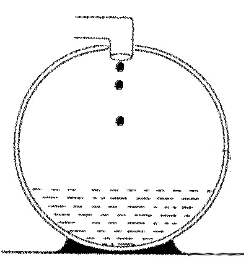
4. הקליפה יכולה להיטען גם אם כוח הכובד לא יבצע עבודה כנגד הכוחות החשמליים, לדוגמה כאשר פתח הברז נמצא בתוך הקליפה:
האנרגיה הפוטנציאלית חשמלית האגורה בקליפה לא שווה לעבודת כוח הכובד הנעשית כנגד הכוחות החשמליים.
______________________________________________________________________________________

______________________________________________________________________________________
...
אנרגיה פוטנציאלית כובדית.
מקור האנרגיה הוא סוג האנרגיה בו נעשה שימוש לביצוע העבודה.
מקור האנרגיה הוא האנרגיה הפוטנציאלית כובדית שיש לטיפות המים ברגע שהן ניתקות מהצינורית.
1. הטיפות ניתקות מהצינורית, אין להן בהתחלה אנרגיה קינטית, רק אנרגיה פוטנציאלית כובדית.
2. כוח הוא לא מקור אנרגיה. כדור הארץ הוא גם לא מקור אנרגיה הוא מפעיל הכוח.
3. מקור האנרגיה לעבודה יכול להיות רק סוג של אנרגיה.
כך למשל כאשר רכב נוסע פועל כוח לאורך העתק , מבוצעת עבודה . מקור האנרגיה לעבודה הוא האנרגיה הכימית של הדלק (ולא המנוע).
כאשר הדלק יגמר, למכונית לא יהיה מקור אנרגיה, המכונית לא תוכל לנסוע למרות שיש לה מנוע.
במקרה זה , מקור האנרגיה לעבודת כוח הכובד הוא האנרגיה הפוטנציאלית כובדית שיש לטיפות ברגע שהם ניתקות מהצינורית.
4. חשוב לזכור, התשובות לשאלות הבגרות חייבות להתבסס על הבנת המושגים והעקרונות הפיזקליים ולא על היגיון כללי .
סעיף זה הוא דוגמה טובה לכך.
2. לצורך ביצוע עבודה יש צורך במקור אנרגיה.
כך למשל כאשר רכב נוסע פועל כוח לאורך העתק , מבוצעת עבודה . מקור העבודה הוא האנרגיה הכימית של הדלק.
במקרה זה , מקור האנרגיה לעבודת כוח הכובד הוא האנרגיה הפוטנצילאית כובדית שיש לטיפות ברגע שהם ניתקות מהצינורית.
______________________________________________________________________________________